
Food science and technology are evolving faster than a cake in the oven, rising with exciting trends that promise to revolutionize what’s on our plates. From fascinating innovations in plant-based alternatives to cutting-edge methods for sustainable agriculture, the landscape of food is ripe for exploration. Buckle up, because the future of food isn’t just happening: it’s cooking in real-time.
Emerging Technologies In Food Production
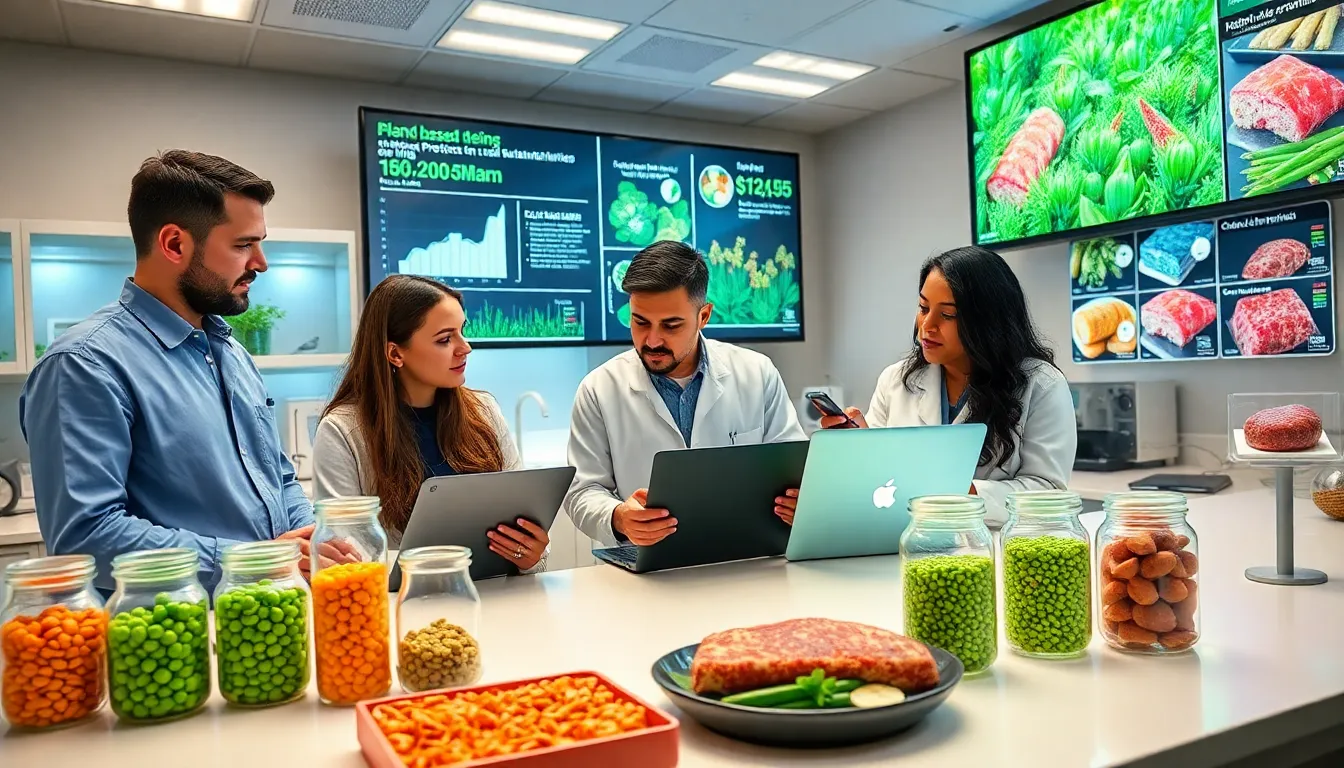
Plant-Based Alternatives and Proteins
Plant-based alternatives are no longer the new kids on the block, they’re now leading the food party. As consumer demand for sustainable options rises, companies are ramping up production of plant-based proteins that mimic the taste and texture of meat. Think of it as nature’s magic trick. Brands like Beyond Meat and Impossible Foods have pioneered this field, using peas, beans, and other ingredients to serve up burgers that could fool even the most dedicated carnivore.
More importantly, these innovations are not just about taste: they’re also about health and sustainability. With research showing plant-based diets can reduce chronic diseases and lower carbon footprints, it’s a win-win for both health enthusiasts and environmentalists alike.
Cell-Cultured Meat Innovations
Now, let’s talk about cell-cultured meat, the futuristic answer to conventional meat production. Imagine enjoying the same juicy steak without the moral and environmental baggage, welcome to cell-cultured meat. This technology grows meat from animal cells, eliminating the need to raise livestock. Companies like Memphis Meats and Mosa Meat are at the forefront, working tirelessly to develop products that are not just sustainable but also scalable.
This trend isn’t just a novelty: it’s a significant step toward reducing greenhouse gas emissions and offering a cruelty-free alternative. As more people become aware of and embrace these innovations, the look and taste of future meals are bound to change drastically.
Sustainable Agriculture Practices
Precision Agriculture and IoT
Gone are the days of guesswork in farming. Enter precision agriculture, a trend that uses the Internet of Things (IoT) to optimize every inch of farmland. Sensors, drones, and satellite imaging combine to provide real-time data on soil health, crop growth, and environmental conditions. This creates opportunities for farmers to make informed decisions, increasing yield while reducing waste and ensuring sustainability.
For instance, imagine a field where soil moisture sensors automatically alert farmers when irrigation is necessary. No more wasted water or over-saturation: just efficient farming at its best. Not only does this ensure a healthier crop, but it also conserves precious resources in our rapidly changing climate.
Urban Farming Technologies
Urban farming is sprouting up in cities around the globe, fueled by an increasing desire for locally grown produce. Rooftops, vacant lots, and even vertical farms are making agriculture accessible in urban landscapes. Companies like Vertical Harvest are leveraging these trends to provide fresh vegetables to metropolitan areas, all while minimizing transportation emissions.
Technologies such as hydroponics and aquaponics are crucial here. They use limited space while cultivating a higher yield per square foot. Though often overlooked, urban farming represents a significant shift towards local food systems that can immediately benefit communities.
Food Safety and Quality Control Advancements
Blockchain In Food Traceability
In the quest for transparency, blockchain technology is making waves in food safety and quality assurance. This digital ledger securely records every step of a food product’s journey, from farm to table. With the public becoming increasingly concerned about food safety, it’s more crucial than ever to trace where our food comes from.
Blockchain offers a solution by providing irrefutable proof of origin and safety. A consumer could scan a product and know exactly where it was sourced, how it was processed, and if it met hygiene standards. Companies like IBM Food Trust are leading this charge, making traceability a cornerstone of food quality management.
Smart Packaging Solutions
Smart packaging is another innovative development. These are not your grandma’s food wrappers. Modern packaging can include indicators that reveal if the food inside is fresh or if the packaging has been tampered with. Imagine a carton of milk that changes color when it’s about to spoil. These advancements not only enhance safety but also reduce food waste, an ongoing challenge in our societies.
Nutritional Enhancements and Functional Foods
Personalization In Nutrition Science
Consumers are increasingly interested in personalized nutrition tailored to their unique dietary needs. This trend leverages data from genetics, lifestyle, and health conditions to recommend diets best suited for individuals. With advancements in technology, personalized supplements and meal plans are quickly becoming mainstream, allowing consumers to make informed choices that fit their personal health goals.
Companies are catering to this demand: think of apps that analyze your dietary habits and suggest targeted foods or vitamins. We are moving towards a future where ‘one-size-fits-all’ no longer applies to nutrition.
Bioactive Compounds In Food Processing
Bioactive compounds, those beneficial substances found in fruits, vegetables, and grains, are being harnessed like never before. Research is uncovering how these compounds can improve health, boost immunity, and even prevent diseases. Food technologists are experimenting with methods to retain or enhance these beneficial properties during processing, ensuring that the food not only nourishes but also heals.
From antioxidants in berries to omega-3s in fish, the potential of bioactive compounds has led to the rise of functional foods, foods that do more than just fill your stomach.